
Table of Contents
ToggleIn the thrilling race to the stars, staying updated was as crucial as rocket fuel. Imagine trying to keep up with the latest space shenanigans without a smartphone or a reliable Wi-Fi connection. The world was glued to their radios and TVs, eagerly awaiting news of astronauts and satellites like kids waiting for the ice cream truck.
Overview of the Space Race
The Space Race marked a pivotal point in history. Not only did it promote technological advancement, but it also captured global interest in space exploration. During this period, rapid developments occurred as the United States and the Soviet Union competed for supremacy in spaceflight.
Television channels and radio broadcasts directly transmitted updates on missions. People eagerly gathered around their devices to catch real-time information about rocket launches and significant milestones. News outlets provided ongoing coverage, ensuring the public remained informed about achievements like the launch of Sputnik 1 in 1957, the first artificial satellite.
Rapid advancements in communication technology played a crucial role in disseminating updates. Satellite communications began to enhance transmission speed and reach. Within years, live broadcasts of crewed missions became standard practice, engaging millions worldwide.
The role of printed media also contributed to public awareness. Newspapers and magazines dedicated extensive pages to developments in space technology, helping to contextualize achievements for everyday citizens. Detailed illustrations and photographs accompanied articles, making complex topics more digestible.
Moreover, governments utilized press conferences and public announcements to share propaganda and bolster national pride. These announcements highlighted key achievements, such as Yuri Gagarin’s historic flight as the first human in space in 1961. Each event captured the imagination of millions, promoting further interest in the space frontier.
Reports from various organizations maintained heightened awareness of pivotal missions. Coordinated efforts across multiple channels ensured transparency and kept the populace engaged throughout the unfolding race.
Key Technologies Used for Updates
The era of the Space Race saw unparalleled advancements in communication technology, enabling quick and widespread updates. Key technologies such as radio communication and television broadcasts played crucial roles in keeping the public informed.
Radio Communication
Radio communication became essential for instant updates on space missions. Through AM and FM frequencies, agencies transmitted live reports around the globe. Listeners tuned in to hear not just mission progress but also groundbreaking events, such as rocket launches and astronaut achievements. Significant events, like the announcement of the successful launch of Sputnik 1, captivated audiences and created a sense of immediacy. This form of communication fostered a global community eagerly following developments in real-time.
Television Broadcasts
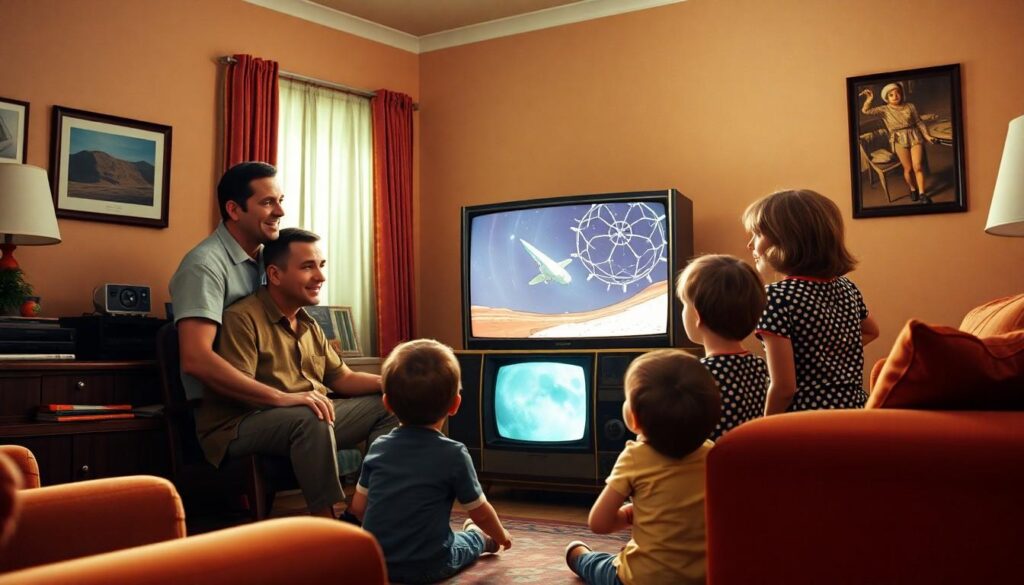
Television broadcasts revolutionized how people engaged with space exploration. These broadcasts provided live coverage of missions, making viewers feel part of significant historical moments. Major events were televised, from the launch of Vostok 1 carrying Yuri Gagarin to lunar landings. Many households gathered around their screens, sharing in the triumphs and challenges of space missions. This visual medium turned complex events into accessible stories through engaging imagery and commentary, bridging the gap between scientists and the public.
The Role of Print Media
Print media significantly contributed to public awareness during the Space Race. Newspapers and magazines provided detailed accounts of astronaut achievements and missions, transforming complex scientific advancements into engaging stories.
Newspapers and Magazines
Newspapers offered coverage of crucial events, including launches and landings. Iconic images of rockets and astronauts graced front pages, captivating readers. Articles explained complicated technologies in straightforward language, making them accessible to all. Publications like The New York Times and Life magazine dedicated entire sections to space exploration, highlighting scientific achievements alongside national pride. These visuals and narratives enabled readers to feel connected to the journey of human exploration, fostering excitement about future endeavors beyond Earth.
News Agencies
News agencies played a vital role in disseminating information quickly. They gathered reports from various sources and supplied updates to newspapers and broadcast outlets. Organizations like the Associated Press and Reuters ensured that the latest news reached audiences promptly. Distinctive reports included live press releases and analysis from experts, offering context on significant events like Moon missions and satellite launches. This expedited flow of information kept the public engaged and informed, reinforcing the competitive spirit of the Space Race and maintaining global interest in space exploration.
Advancements in Information Technology
During the Space Race, technology played an essential role in disseminating information quickly. The era marked a significant leap in how updates reached the public.
Computers and Data Analysis
Computers transformed data analysis during the Space Race. Real-time computations provided crucial insights for mission planning and trajectory calculations. Engineers used advanced algorithms to analyze vast amounts of mission data, improving decision-making speed. Organizations like NASA relied on computers to track spacecraft effectively and release updates with precision. Complex simulations allowed scientists to visualize potential outcomes, making technical details accessible to non-experts. Enhanced processing power facilitated immediate responses to challenges faced during missions. As a result, the use of computers became a cornerstone in managing space-related information.
Instant Messaging Systems
Instant messaging systems also emerged, enhancing communication. These systems allowed instant updates between teams, ensuring everyone remained informed about mission developments. Engineers and scientists shared critical information in real-time, improving collaboration across various departments. Quick exchanges of data allowed for faster problem-solving during crucial moments. Messaging systems bridged gaps between ground control and astronauts, enabling efficient communication in challenging conditions. This immediacy helped maintain public engagement during missions, as official announcements reached audiences swiftly. Instant messaging thus became a vital component in the rapid information exchange necessary for the Space Race.
The Space Race was a defining moment in history that showcased the power of communication technology. Radio and television transformed how people engaged with space exploration, allowing them to witness monumental achievements in real-time. This era not only ignited public fascination but also fostered a sense of global community.
The advancements in print media and news agencies further amplified the excitement, making complex scientific developments accessible to everyone. As technology evolved, so did the methods of information dissemination, ensuring that the world stayed connected to the thrilling journey of humanity’s quest for the stars. The legacy of these technologies continues to shape how we receive updates on space exploration today.


