
Table of Contents
ToggleIn the high-stakes game of modern warfare, drones have become the ultimate game-changers, especially in the ongoing conflict in Ukraine. These flying marvels aren’t just for delivering pizza or taking selfies; they’re redefining battle tactics and strategies. With their ability to hover silently and gather intel, drones are the eyes in the sky that every military commander dreams of—minus the pesky “please land” requests.
As the Ukraine war unfolds, the role of drones has evolved from mere reconnaissance to full-fledged combatants, proving that sometimes the best weapon is a little bit of technology and a lot of creativity. With both sides deploying these aerial wonders, it’s clear that the future of warfare might just be a drone-filled sky. Buckle up as we dive into the fascinating world of Ukraine’s war drones, where innovation meets necessity in the most unexpected ways.
Overview Of Ukraine War Drones
Drones significantly impact the ongoing conflict in Ukraine, serving various military purposes. They provide real-time intelligence, execute precision strikes, and enhance battlefield communication.
Evolution Of Drone Technology
Drone technology has advanced rapidly in recent years. Originally designed for reconnaissance, modern drones now feature sophisticated sensors and weapons systems. Enhanced capabilities include increased operational ranges and improved payloads. Each generation brings innovations, making them crucial for ground support. The integration of artificial intelligence further enhances their efficiency, allowing for autonomous operations. Countries involved in the conflict leverage these advancements to gain tactical advantages.
Key Players In The Drone Market
Several key companies dominate the drone market today. Major players includes DJI, known for its consumer drones, and Boeing, which focuses on military applications. Northrop Grumman and Lockheed Martin also produce high-end military drones. Additionally, Ukraine has developed indigenous drones, like the Bayraktar TB2, gaining prominence in the conflict. Each of these organizations contributes to expanding drone technologies, shaping the future of warfare. Growing competition leads to rapid advancements, with new models regularly introduced to address battlefield needs.
Types Of Drones Used In The Conflict
Drones play a vital role in the Ukrainian conflict, with various types serving distinct purposes. Surveillance and combat drones are among the most significant contributors.
Surveillance Drones
Surveillance drones gather critical intelligence for tactical operations. These drones fly over enemy territories, capturing high-resolution images and video in real-time. Ukraine employs systems like the RQ-20 Puma, which provide valuable reconnaissance data to ground forces. Enhanced sensors in these drones detect troop movements and equipment locations, aiding strategic decision-making. Operated remotely, surveillance drones operate at different altitudes to analyze conditions and threats on the battlefield effectively.
Combat Drones
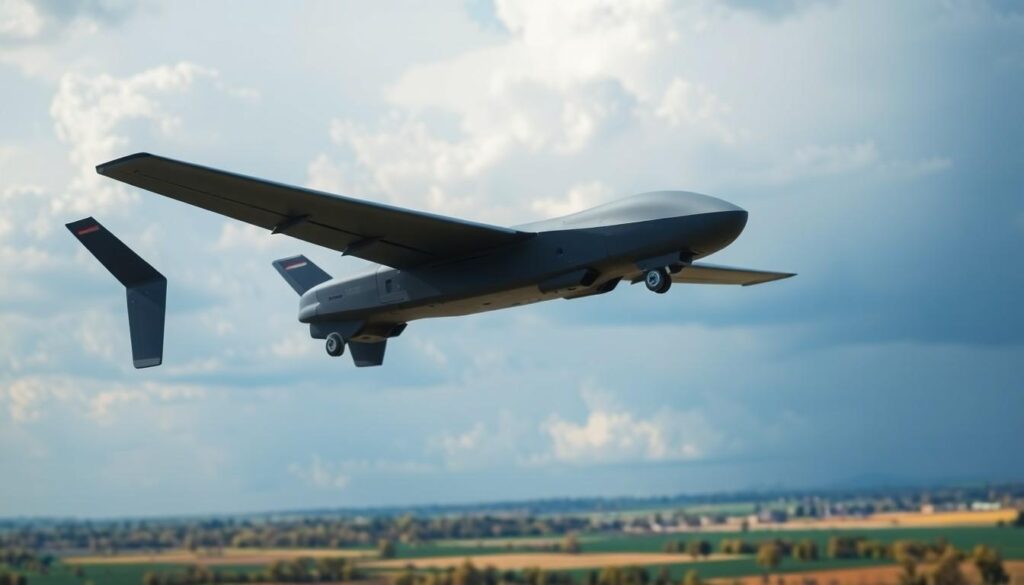
Combat drones deliver precision strikes against military targets. The Bayraktar TB2, a prominent combat drone used by Ukraine, can carry munitions and conduct surgical strikes on enemy positions. These drones feature advanced targeting systems that ensure high accuracy during attacks. Various countries supply combat drones to both sides, increasing firepower and versatility in aerial operations. They enhance military capabilities significantly, capable of carrying out missions autonomously or under human control. Robust payloads allow these drones to engage in diversified combat scenarios, shaping modern warfare dynamics.
Impact On Battlefield Dynamics
Drones are reshaping battlefield dynamics in Ukraine by influencing tactics and strategies. Their rapid proliferation has introduced new layers of complexity in military operations.
Tactical Advantages
Tactical advantages provided by drones include enhanced situational awareness and precision targeting. Real-time intelligence from surveillance drones like the RQ-20 Puma improves strategic decision-making significantly. Combat drones, such as the Bayraktar TB2, execute precise strikes with minimal collateral damage. Moreover, drones can operate in challenging environments where traditional forces may struggle. Increased maneuverability and speed allow them to respond quickly to evolving combat situations. The ability to operate autonomously augments human capabilities, providing commanders with critical operational flexibility.
Limitations And Challenges
Limitations and challenges associated with drone use are notable in the Ukrainian conflict. Vulnerability to enemy countermeasures poses significant risks for drone operations. Weather conditions can affect drone performance and reliability. Dependence on advanced technology can lead to vulnerabilities in communication and data transmission. Additionally, ethical concerns regarding autonomy and civilian safety present ongoing debates. Limited access to maintenance and spare parts can disrupt operational effectiveness. These challenges require continuous adaptation in tactics as military forces integrate drones into their operations.
International Response And Implications
The Ukraine war has spurred significant international reactions, particularly regarding drone usage in the conflict.
Support From Western Nations
Western nations provide vital support to Ukraine in the form of drones and related technologies. Countries such as the United States and various European nations supply advanced systems like the Bayraktar TB2 and the RQ-20 Puma. Military aid packages increase these systems’ supply, directly enhancing Ukraine’s capabilities against aggression. Additionally, training and operational support accompany these shipments, ensuring effective integration into Ukrainian military strategies. Global partnerships expand with NATO countries stepping in to facilitate the exchange of intelligence and tactics, strengthening Ukraine’s defensive posture.
Ethical Considerations
Ethical concerns arise around drone usage in warfare, especially regarding civilian safety. Drones, though effective, pose risks of collateral damage during operations. The decision-making processes behind targeting affect moral judgments, particularly in populated areas. Accountability also becomes challenging; distinguishing between combatants and civilians in surveillance footage raises questions. Furthermore, the autonomy of drone operations fosters debates on militarization and the role of artificial intelligence in combat. Responsible use and adherence to international laws remain essential to address these ethical dilemmas in the ongoing conflict.
Future Trends In Drone Warfare
Drones are set to play an increasingly pivotal role in future warfare, driven by rapid technological advancements. Innovations, such as enhanced artificial intelligence, shape the future landscape of combat.
Innovations On The Horizon
New developments promise to significantly enhance drone capabilities. Improved autonomy allows drones to execute complex missions without human intervention. Smaller designs enable deployment in more diverse environments, providing tactical advantages. Advanced sensors increase surveillance capabilities, allowing for more precise data collection. Additionally, swarming technology facilitates coordinated attacks by multiple drones, overwhelming enemy defenses. Integrated electronic warfare systems provide jamming capabilities, complicating enemy operations. As a result, these innovations will redefine how military forces approach aerial combat.
Predictions For Future Conflicts
Future conflicts will likely center around drone integration into multi-domain operations. Increased reliance on drones means combat scenarios will increasingly involve unmanned systems working alongside traditional forces. Expect a heightened focus on counter-drone technology as adversaries adapt to mitigate the impact of unmanned aerial vehicles. Conflicts will see a blend of drones performing various functions, including surveillance and strike missions. Intelligence gathering through drones will enhance situational awareness, driving strategic decision-making. Ultimately, military operations will evolve, heavily influenced by these dynamic technologies in aerial engagements.
Drones have undeniably changed the landscape of warfare in Ukraine. Their ability to provide real-time intelligence and execute precision strikes has reshaped military strategies and tactics. As technology continues to advance, the role of drones will only expand, driving a new era of combat dynamics.
The integration of artificial intelligence and enhanced autonomy promises to further revolutionize drone capabilities. However, ethical considerations and the challenges posed by countermeasures remain critical issues that must be addressed. The ongoing conflict in Ukraine serves as a powerful example of how drones can influence the outcome of battles and redefine modern warfare. As nations adapt to these technological advancements, the future of military operations will likely see drones at the forefront of strategic planning and execution.


