
Table of Contents
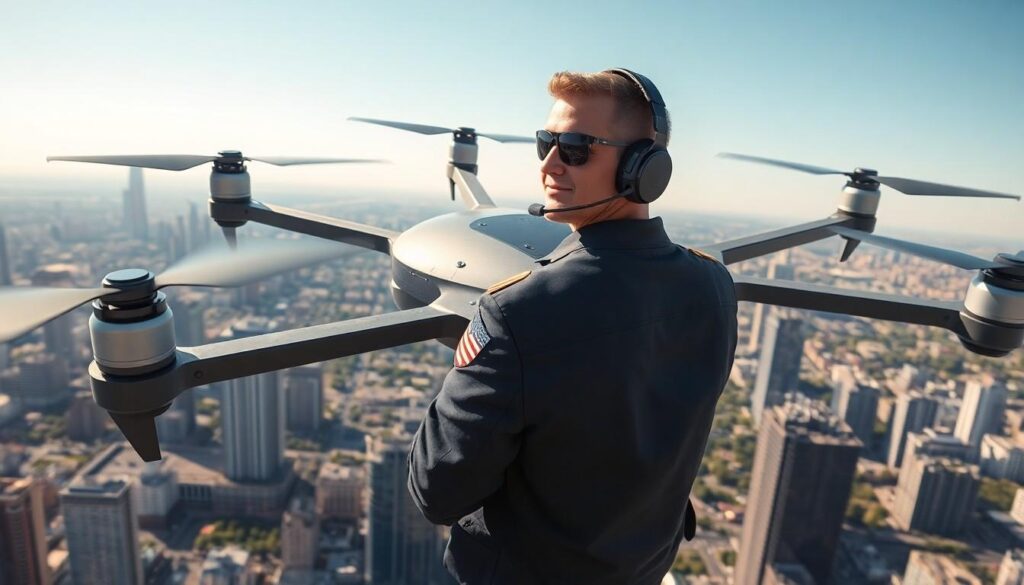
ToggleImagine zipping through the sky in a flying machine that’s not a plane, but a drone. Yes, you heard that right! Drones that carry people are no longer just a figment of science fiction. They’re on the brink of revolutionizing personal transportation, and they might just be the answer to those pesky traffic jams that make you question your life choices.
Overview of Drones That Carry People
Passenger-carrying drones, also known as air taxis or eVTOLs, represent a significant advancement in aviation technology. They feature vertical takeoff and landing capabilities, allowing them to operate in urban environments. Numerous companies are developing these innovative aircraft, including industry leaders like Volocopter, Joby Aviation, and EHang.
Designs vary, with some drones resembling large multirotors while others adopt fixed-wing configurations. Specifications often include multiple rotors for stability and safety. Current prototypes can carry two to five passengers, demonstrating the scalability of these transportation systems.
Safety remains a critical focus in the development of passenger drones. Many manufacturers implement redundant systems and utilize advanced navigation technologies to ensure reliability. Regulatory bodies, such as the Federal Aviation Administration (FAA) in the United States, are working on frameworks to oversee this emerging sector.
Cost-effectiveness is another vital consideration. Expected operating costs could potentially match or even undercut traditional taxi and ride-sharing services. Various forecasts suggest a growing market, with estimates predicting the passenger drone industry could exceed $1 trillion by 2040.
Urban air mobility could significantly reduce travel times. Data indicates that passenger drones might cut commute durations by up to 50 percent compared to ground transportation. Pilot projects in cities like Dubai and Los Angeles are already demonstrating the feasibility and practicality of these aerial vehicles.
Integration with existing transportation networks is crucial for widespread adoption. Public acceptance relies not only on safety but also on convenience and affordability. Continued advancements in battery technology and autonomous systems hold the key to unlocking the full potential of passenger-carrying drones.
Types of Passenger Drones
Passenger drones come in various types, primarily designed to meet specific needs and operational environments. They include multirotor and fixed-wing configurations, each featuring unique capabilities.
Multirotor Drones
Multirotor drones utilize multiple rotors to achieve lift, offering excellent stability and maneuverability. These aircraft typically feature designs with four or more rotors, enhancing safety through redundancy. Developers like Volocopter focus on this type for urban air mobility, allowing for vertical takeoffs and landings in crowded spaces. Current prototypes can accommodate two to five passengers, making them suitable for city commutes. Advanced navigation systems ensure precise control during flights. Battery technology plays a crucial role in their operational range, with ongoing improvements extending flight times significantly.
Fixed-Wing Drones
Fixed-wing drones operate differently from multirotors, relying on wings for lift and achieving greater efficiency over distances. These aircraft excel in traveling longer ranges and maintaining higher speeds due to their aerodynamic designs. Companies like Joby Aviation are investing in fixed-wing models for passenger transport, recognizing their potential for urban and intercity travel. Scaling capacity remains a focus, with prototypes designed to carry multiple passengers comfortably. Integration of hybrid propulsion systems allows for vertical takeoff and landing capabilities, merging the benefits of both drone types. Overall, fixed-wing drones are positioned to play a vital role in the future of urban air mobility.
Key Technologies Behind Passenger Drones
Passenger drones rely on advanced technologies to ensure flight efficiency, safety, and passenger comfort. Two critical areas of development include propulsion systems and navigation and control systems.
Propulsion Systems
Propulsion systems in passenger drones feature a range of technologies designed for vertical takeoff and landing. Electric motors commonly power these systems, utilizing high-energy density batteries. For instance, multicrotor drones often employ several small rotors to provide lift and maneuverability. In contrast, fixed-wing drones may incorporate hybrid systems that combine electric and combustion engines for enhanced range and speed. Notably, advancements in battery technology are driving longer flight times and improved performance. Companies such as Joby Aviation and Volocopter invest in these technologies, aiming to optimize energy efficiency and reduce operational costs.
Navigation and Control
Navigation and control systems play a vital role in ensuring safe operations of passenger drones. Advanced sensors, including LiDAR and GPS, facilitate precise positioning and obstacle detection. Autonomy features allow drones to fly without human intervention, employing algorithms that adapt to changing environments. Major manufacturers integrate artificial intelligence to enhance decision-making processes. Reliable communication systems also connect drones to ground control for monitoring and coordination. This comprehensive integration of technologies boosts safety and operational efficiency in urban air mobility scenarios.
Benefits of Drones That Carry People
Drones designed for carrying passengers offer numerous advantages, making them an appealing alternative to conventional transportation.
Reduced Traffic Congestion
Drones can significantly alleviate traffic congestion in urban areas. By traveling vertically, these aircraft bypass ground-level obstacles and stop-and-go traffic. Current estimates suggest that urban air mobility could decrease commute times by up to 50 percent. Implementing passenger drones may transform the daily commute, allowing people to focus more on work or leisure during travel. Several pilot projects in cities like Los Angeles showcase potential improvements in traffic flow, demonstrating how aerial vehicles can contribute to a more efficient transportation network. Ensuring integration with existing transport systems will enhance overall effectiveness.
Environmental Impact
Passenger-carrying drones can also reduce environmental footprints. Electric propulsion systems minimize greenhouse gas emissions compared to traditional vehicles. The aircraft’s efficiency allows for lower energy consumption per passenger mile. Current trends indicate that as battery technology advances, the environmental benefits will only improve, leading to sustainable urban travel solutions. Many of these drones utilize renewable energy sources, further enhancing their eco-friendliness. By promoting these advanced aerial vehicles, cities can move closer to achieving their sustainability goals and a cleaner future.
Challenges and Regulations
Regulatory challenges play a crucial role in the development of passenger-carrying drones. Navigating this landscape involves addressing safety concerns and establishing a robust legal framework.
Safety Concerns
Manufacturers prioritize safety in the design of passenger drones. Multiple redundant systems ensure reliability during flight. Advanced navigation technologies enhance obstacle detection and positioning accuracy. They also incorporate fail-safe mechanisms that activate under specific conditions, mitigating risks. Regulatory bodies focus on rigorous testing protocols to assess these safety features. Operators must also be prepared for emergencies, as procedures for various scenarios are critical for passenger safety. Overall, these measures facilitate public confidence in air taxis, directly impacting their acceptance and integration into urban transport.
Legal Framework
Governments and aviation authorities shape the legal landscape surrounding passenger drones. The FAA and similar bodies develop regulations that govern flight operations, pilot licensing, and air traffic management. Specific guidelines exist for operating in urban environments, addressing noise pollution and air space use. Compliance with these regulations ensures the safe integration of drones into existing transport systems. Companies must also engage with local governments to navigate zoning laws and community concerns. Establishing international standards remains essential, as cross-border operations of passenger drones could become common in the future.
Passenger-carrying drones are on the brink of revolutionizing urban transportation. As technology advances and safety measures are enhanced, these aerial vehicles promise to alleviate traffic congestion and provide a faster, more efficient commuting experience. The collaboration between manufacturers and regulatory bodies will be crucial in ensuring a safe and seamless integration into existing transport networks.
With pilot projects already underway in major cities, the future looks bright for urban air mobility. As public acceptance grows and costs become competitive with traditional transportation methods, the dream of flying taxis may soon become a daily reality. The potential for reduced travel times and environmental benefits positions passenger drones as a key player in the future of sustainable urban travel.


