
Table of Contents
ToggleDrones are the modern-day superheroes of the skies, swooping in to capture stunning visuals that leave us in awe. With their sleek designs and high-tech gadgets, these flying machines are more than just toys for tech enthusiasts—they’re revolutionizing photography and videography. Imagine soaring above breathtaking landscapes or getting a bird’s-eye view of your favorite events, all thanks to these aerial wonders.
Overview of Drone Photography
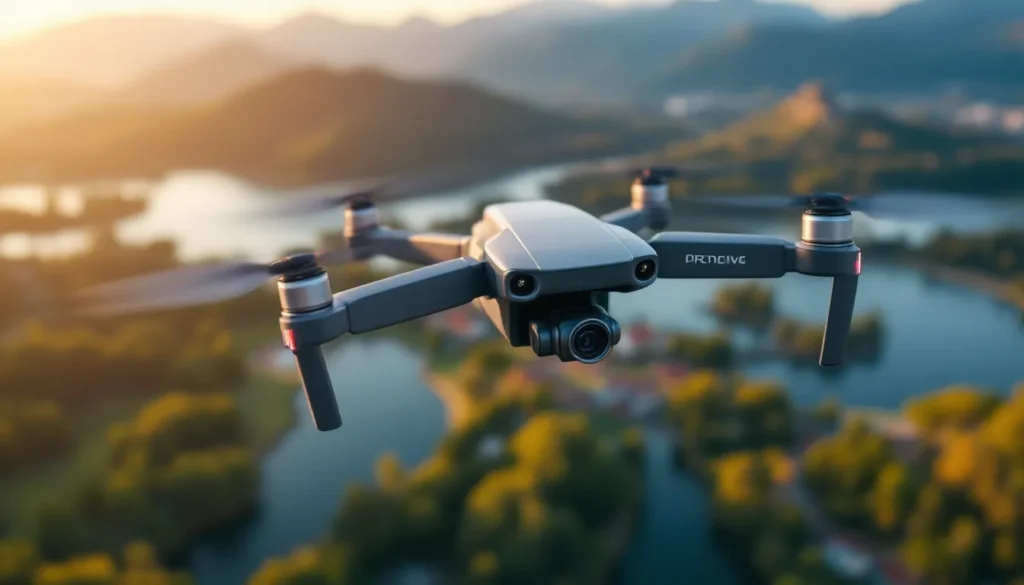
Drone photography revolutionizes the way individuals capture images and video. Equipped with high-resolution cameras, drones create stunning visuals from angles previously unimaginable. These aerial devices enable photographers to explore new perspectives, enhancing visual storytelling.
Capturing landscapes and urban scenes from above results in breathtaking compositions. Photographers use drones to produce dynamic content, appealing to both personal and commercial projects. Many industries leverage drone photography, including real estate, tourism, and film production.
Safety and regulations play crucial roles in drone operation. Operators must comply with local laws and guidelines set by authorities like the Federal Aviation Administration (FAA) in the U.S. Knowing flight restrictions is essential for successful drone photo shoots.
Technological advancements enhance photography capabilities. Features such as GPS tracking, automated flight paths, and live-streaming capabilities improve user experience. Drones equipped with gimbals stabilize footage, ensuring smooth and professional results.
Quality varies among different models of drones. Professionals often prefer high-end models due to greater control and improved image quality. Hobbyists may find entry-level drones sufficient for basic photography needs.
Post-processing techniques bring out the full potential of aerial images. Photographers often edit their drone shots to enhance colors and details. Combining multiple images for panoramic views also increases visual impact.
With the rise in popularity, communities form around drone enthusiasts. Online platforms provide spaces for sharing experiences, tutorials, and tips for improving skills. This collaborative atmosphere fosters innovation and creativity in drone photography.
Types of Drones for Photography
Various drones cater specifically to photography needs. Each type offers unique features suited for different users and purposes.
Consumer Drones
Consumer drones provide an accessible entry point for hobbyists and casual photographers. These drones feature built-in cameras adequate for everyday use, capturing high-resolution photos and videos. Simple controls enable users to fly easily, making them beginner-friendly. Notable examples include the DJI Mini series, which offers portability alongside functionality. Enhanced flight stability ensures these drones perform well in various conditions. With competitive pricing, many consumers find these drones an excellent choice for recreational photography and videography.
Professional Drones
Professional drones deliver advanced capabilities for serious photographers and filmmakers. These devices often include larger sensors and high-quality lenses, ensuring superior imaging results. They typically support multiple camera options, including interchangeable lenses that cater to different shooting styles. Examples include the DJI Mavic 3 and the Inspire 2, both recognized for their exceptional performance. High-end features such as obstacle avoidance and extended flight times enable professionals to execute complex aerial shots. Overall, these drones represent an investment in creativity and technical excellence for dedicated users.
Techniques for Capturing Stunning Pictures of Drones
Capturing stunning pictures of drones requires specific techniques that enhance aerial photography. Utilizing appropriate methods can lead to breathtaking visuals.
Aerial Angles
Drones provide access to unique aerial angles that transform standard shots into remarkable images. Incorporating a bird’s-eye view reveals patterns and landscapes unobtainable from ground level. Experimenting with various heights can highlight depth and create striking compositions. Low angles emphasize foreground elements, effectively drawing attention to the subject. Capturing from side angles often enhances the perception of movement, giving images a dynamic quality. Selecting the right angle encourages creativity, showcasing the environment and subject in new ways.
Lighting Conditions
Optimal lighting conditions play a crucial role in drone photography. Utilizing natural light during golden hours—shortly after sunrise and before sunset—enhances colors and softens shadows. Overcast days can also be beneficial, providing diffused light that eliminates harsh contrasts. Shadows cast by clouds can add depth and interest to images. Employing filters, such as polarizers, minimizes glare and enhances colors, resulting in more vibrant pictures. Understanding light dynamics allows for better adjustments in cameras, leading to higher-quality images.
Popular Uses of Drone Photography
Drone photography serves various industries and hobbies. Its versatility enables creators to capture stunning images and videos from unique heights and perspectives.
Real Estate
Aerial views enhance real estate listings significantly. Drones provide expansive shots of properties, offering potential buyers a clear understanding of layout and surroundings. Photographers showcase entire neighborhoods, highlighting amenities and natural beauty. Properties benefit from dynamic footage that traditional photography cannot match, attracting more attention and interest. Additionally, high-quality images from drones convey professionalism, making listings stand out from others in competitive markets. Utilizing drones in real estate photography streamlines the marketing process and leads to quicker sales.
Wildlife Observation
Wildlife enthusiasts utilize drones for tracking and observing animals in their natural habitats. These flying devices allow for non-intrusive observation, minimizing disturbance to wildlife behaviors. Photographers capture stunning images of animals from the sky without approaching them closely. Drones enable researchers to study migratory patterns, nesting sites, and population assessments more efficiently. The ability to reach remote locations empowers conservation efforts, helping collect crucial data while ensuring the safety of both observers and wildlife. Overall, drone photography enhances wildlife observation efforts, enriching the understanding of Earth’s diverse ecosystems.
Drones have undeniably transformed the landscape of photography and videography. Their ability to capture stunning visuals from unique perspectives opens up endless creative possibilities for both professionals and enthusiasts. As technology continues to advance, the potential for breathtaking aerial imagery grows even further.
With the right knowledge and tools, anyone can harness the power of drones to elevate their visual storytelling. From real estate to wildlife observation, the applications are vast and impactful. Embracing this innovative technology not only enhances personal projects but also contributes to various industries, showcasing the true versatility of drone photography.


