
Table of Contents
ToggleIn a world where technology evolves faster than a cat video goes viral, weaponized drones have taken center stage in modern warfare. These high-flying marvels of engineering are no longer just for delivering pizza or capturing breathtaking aerial shots; they’ve transformed into serious players on the battlefield. With an impressive mix of precision and stealth, they’re redefining how conflicts are fought—one drone strike at a time.
Overview of Weaponized Drones
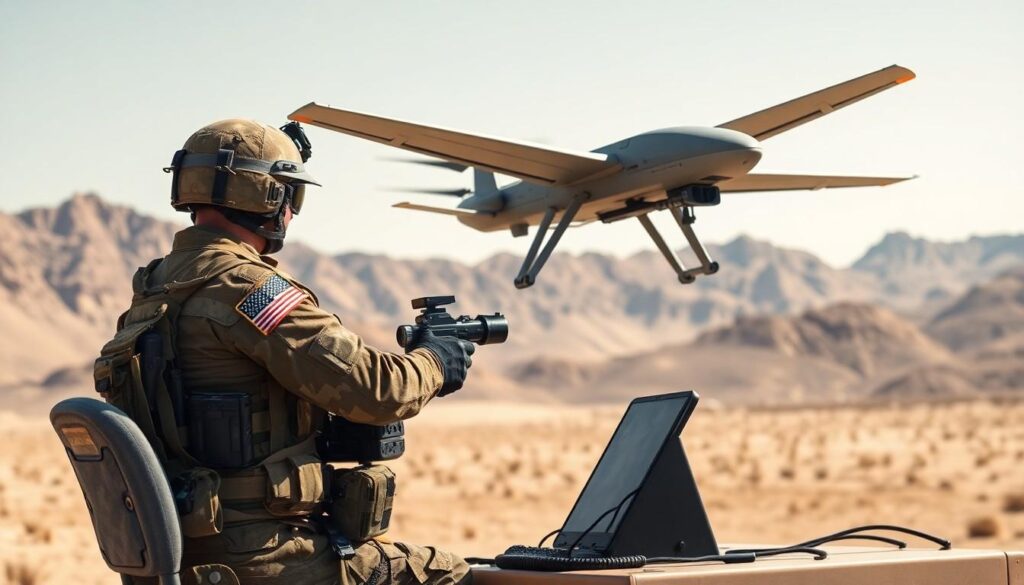
Weaponized drones represent a significant shift in military capabilities. These unmanned aerial vehicles are equipped with advanced technology that allows for targeted strikes with high precision. Military forces utilize these drones to conduct surveillance and engage in offensive operations without risking pilot lives.
Operators control these drones remotely, maintaining a safe distance from potential danger zones. Innovations in drone technology include improved stealth features, enhancing their ability to evade detection. Significant advancements also encompass their payload capacity, allowing for the delivery of various armaments, including missiles and bombs.
Strategic applications of weaponized drones have emerged in various conflict zones. In the Middle East, for instance, nations deploy drones for intelligence gathering and targeted eliminations of high-value targets. The U.S. military frequently utilizes drones in operations against terrorist groups, showcasing their effectiveness in modern combat.
Operational benefits include reduced collateral damage compared to traditional airstrikes. This precision allows military planners to minimize unintended casualties and infrastructure destruction. Despite these advantages, ethical concerns arise regarding the proliferation of this technology and potential misuse in conflicts.
Drones might also contribute to new tactics in warfare. Nations increasingly invest in counter-drone technologies to defend against threats posed by weaponized drones. Future developments likely focus on integrating artificial intelligence, which could further enhance decision-making capabilities in combat scenarios.
The evolving landscape of weaponized drones continues to shape military strategies worldwide. Increased accessibility and capability will likely influence both state and non-state actors’ methods in future conflicts. This growing reliance on drone warfare calls for ongoing discussions on policy and ethical considerations surrounding their use.
Historical Development
Weaponized drones evolved from early innovations into a critical component of modern warfare. Their journey reflects significant advancements in technology and strategic military applications.
Early Innovations
Early developments in drone technology traced back to World War I, showcasing an initial intent for remote-controlled vehicles. In the 1930s, small radio-controlled aircraft emerged, primarily for training purposes. During World War II, the U.S. deployed primitive drones for target practice and reconnaissance. Following this period, research continued through the Cold War, emphasizing surveillance roles. Significant advancements occurred in the 1990s when the UAVs began integrating GPS technology, allowing for greater accuracy and control.
Evolution of Military Use
Military forces began incorporating drones into active combat scenarios by the late 1990s. The U.S. military played a crucial role, first utilizing drones for intelligence gathering in conflicts like the Kosovo War. As drone technology advanced, platforms like the Predator and Reaper were developed, enabling strike capabilities. Precision strikes targeting enemy combatants demonstrated the effectiveness of weaponized drones in the War on Terror. Tactical advantages included remote operations, reducing risk to military personnel and allowing for swift responses in dynamic environments. As a result, the role of drones expanded, altering traditional concepts of combat.
Technological Advancements
Weaponized drones showcase remarkable technological advancements that have transformed modern military operations.
Autonomous Systems
Autonomous systems in weaponized drones enhance operational efficiency. Advanced algorithms allow these drones to navigate and engage targets independently. Notably, specific models eliminate the need for direct human control in certain scenarios. These systems incorporate machine learning, enabling them to adapt to changing environments. Their ability to process data rapidly supports timely decision-making in the field. As a result, military forces increase their responsiveness while minimizing risks to personnel.
Surveillance Capabilities
Surveillance capabilities of weaponized drones have advanced significantly over recent years. Enhanced imaging sensors provide real-time intelligence with unparalleled detail. Enhanced camera systems allow for both daytime and nighttime operations, which is crucial in various conflict zones. Large observation ranges enable military forces to monitor suspicious activities over extensive areas. Integration of signals intelligence further aids in intercepting communications, offering strategic advantages. Consequently, these functions contribute to improved situational awareness and target identification for military operations.
Ethical Considerations
Ethical considerations regarding weaponized drones are critical in understanding their impact on modern warfare. Issues surrounding civilian harm, legality, and accountability require careful examination.
Civilian Casualties
Civilian casualties remain a significant concern surrounding the use of weaponized drones. Precision strikes, while effective, can still result in unintended deaths during targeted operations. Statistics indicate that drone strikes in conflict zones, particularly in the Middle East, often lead to collateral damage. Reports from organizations like Amnesty International highlight instances where civilians accounted for substantial percentages of total casualties. The psychological impact on local populations raises further ethical questions, as communities may experience lasting trauma from such events. Enhanced targeting technology does not eliminate risks entirely, prompting military planners to reassess operational protocols to protect non-combatants.
Legal Implications
Legal implications of deploying weaponized drones are complex and multifaceted. International humanitarian law governs the conduct of armed conflicts and dictates permissible actions. Questions arise concerning the legitimacy of strikes conducted outside traditional battlefields. Many legal experts debate the interpretation of sovereignty and the justification of unilateral actions in foreign nations. Agreements like the Geneva Conventions establish frameworks that guide military operations, yet enforcement remains challenging. Accusations of war crimes frequently surface, highlighting the need for clearer rules of engagement. Ongoing discussions among policymakers and lawyers aim to address these ambiguities and clarify accountability for drone-related incidents.
Current Global Landscape
Weaponized drones play a significant role in the modern military landscape, with various countries advancing their capabilities.
Key Players in Weaponized Drone Development
Countries like the United States, China, and Israel spearhead drone development initiatives. The U.S. military remains at the forefront, with extensive investment in technologies that enable precision strikes. China has rapidly increased its drone capabilities, focusing on both surveillance and strike functions. Israel also stands out for its innovations, particularly in combat drones that blend advanced technology with tactical efficiency. Other nations, including Turkey and Russia, have begun making strides in drone systems, signaling a shift toward broader international competition in military drone technology.
Recent Conflicts Involving Drones
Conflicts in the Middle East highlight the operational use of weaponized drones by military forces. In Iraq and Syria, the U.S. deploys drones extensively against ISIS targets, executing precision strikes to minimize collateral damage. Azerbaijan utilized drones effectively against Armenian forces during the Nagorno-Karabakh conflict, showcasing their impact on ground maneuvers. Meanwhile, Russia has used drones in Ukraine to gather intelligence and support ground troops. These instances illustrate the evolving nature of warfare, with weaponized drones becoming crucial assets in modern conflicts.
Future of Weaponized Drones
Innovations in weaponized drones continue to shape the future of military operations. These advancements promise to transform combat dynamics significantly.
Emerging Trends
Drones increasingly integrate artificial intelligence and machine learning to enhance capabilities. Autonomous drones can navigate complex terrains independently, improving operational efficiency. Military forces focus on developing swarming technology, where multiple drones collaborate to complete missions. Enhanced data analytics aids in real-time decision-making, allowing quicker responses to threats. Significant investments in research and development drive these advancements, ensuring a competitive edge in warfare. Increased miniaturization of components supports the creation of smaller, more versatile drones that can operate in confined spaces. Improved communication systems facilitate better coordination among units, increasing effectiveness during operations.
Potential Challenges
Legal implications present significant challenges as nations expand drone capabilities. Debates continue surrounding sovereignty and the legality of strikes outside conventional warzones. Ethical concerns persist about civilian casualties; precision strikes still risk unintended harm. Accountability in the use of weaponized drones remains unclear, raising questions about transparency in operations. Psychological impacts on affected communities necessitate careful consideration in planning. Technological disparities between nations can lead to an arms race, complicating international relations. The potential for misuse by non-state actors further amplifies risks, prompting urgent discussions on regulation and oversight.
Weaponized drones have fundamentally transformed the landscape of modern warfare. Their precision and operational efficiency provide military forces with unprecedented advantages while raising significant ethical and legal questions. As technology continues to advance, the implications of drone use will only grow more complex.
The ongoing development of autonomous systems and swarming technology highlights the need for careful consideration of regulations and oversight. Addressing the risks associated with these powerful tools is crucial to ensuring accountability and minimizing civilian harm. As nations navigate the challenges posed by weaponized drones, the balance between military effectiveness and ethical responsibility remains a vital conversation in the realm of international relations.


